
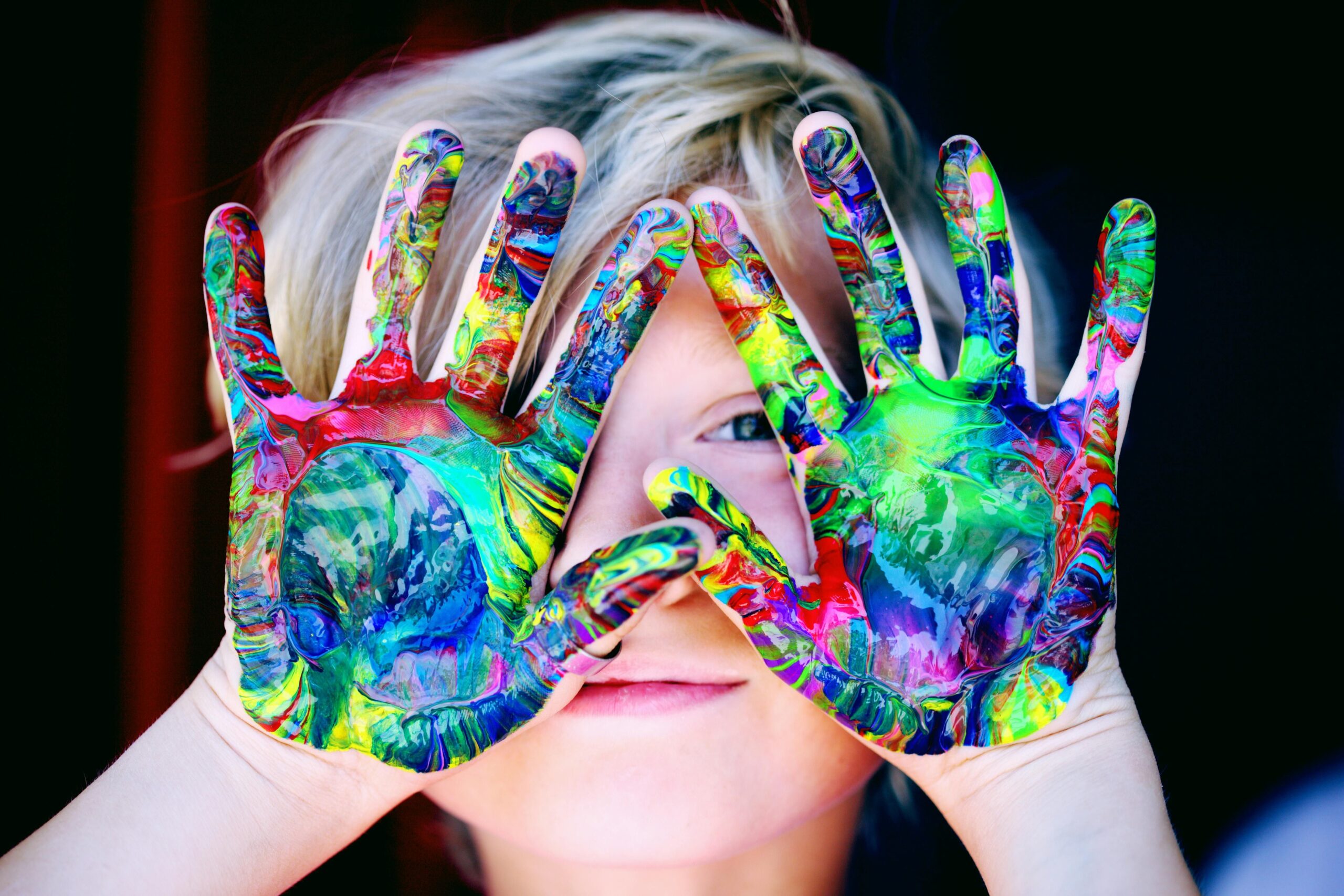

What is Sensory Play?
Sensory play is often only attributed to messy, crazy, paint like activities. And as such can sometimes get a bad name, but sensory activities are so much more than that! Sensory activities are truly anything that involves utilizing more than one your five senses: sight, hearing, taste, touch, and smell. Sensory actives can include, but are certainly not limited to: sand play, painting, bubbles, water activities, and cooking. Sensory play does often make small (and sometimes large) messes, but it is important to note that the mess is part of the learning process.
What are the benefits of sensory play?
- Science exploration- Children have the opportunity to explore many science concepts through sensory play such as cause and effect, properties of water, and
- Language development- When adults are engaged in sensory play, children have the opportunity to learn new words and terms.
- Fosters independence- Sensory play offers a low-risk space for children to explore new skills
- Problem- solving- Children have so many opportunities during sensory activities to practice problem solving skills.
- Social skills- When children are engaged in sensory play with their peers and caregivers, they are able to practice social skills such as taking turns, asking for help, and sharing space.
- Cognitive growth- Sensory play helps children to explore their world and make important connections.
- Fine motor skills- Children are able to practice grasping and manipulating different sizes and shapes of objects leading to increased fine motor function.
How can I implement sensory play at home?
- Start with small activities and work your way up
- Take your activities outside! Almost everything can be done outside (sand, water play, painting), and clean-up is so much easier.
- Make a homemade sensory bin from PVC pipes and a shallow Tupperware storage bin
- Make homemade materials (Oobleck and puffy paint are some of my favorites!)
- Make sensory bottles out of empty water bottle and materials you have around the house.
- Make sensory bags out of gallon Ziplock’s, water, vegetable oil, and food coloring
- Spray shaving cream on a flat surface and let them “paint” with paint brushes or spoons
Easy to make sensory materials:
- How to make Puffy Paint
- Ooblec
- Slime
- Cloud Dough
- Sidewalk Chalk Paint
- Homemade Playdough